
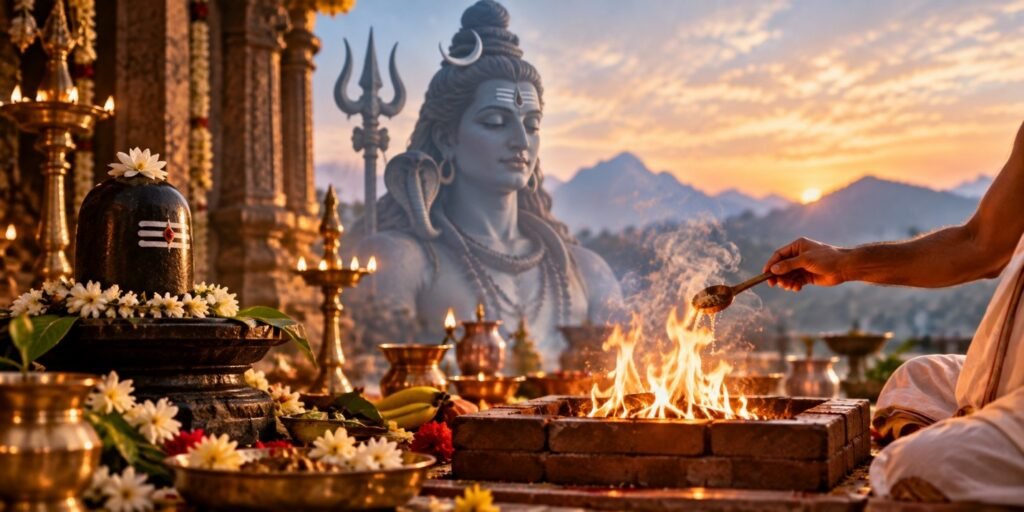
Lord Shiva is worshipped as a powerful symbol of transformation, devotion, peace, and spiritual strength. Shiva Homam is a traditional fire ritual performed with sincere prayers and Vedic practices dedicated to Lord Shiva. At HOMAM & POOJA SERVICE – Shastrigal, such sacred rituals are arranged with traditional guidance, helping devotees perform the worship in a meaningful and organised manner.
Understanding the Sacred Fire Ritual
Fire holds an important place in Hindu worship. It is traditionally regarded as a sacred medium through which offerings are made while prayers and mantras are recited. During Shiva Homam, various traditional offerings are placed into the sacred fire along with the chanting of appropriate mantras dedicated to Lord Shiva.
The ritual is performed with devotion and follows traditional procedures. The atmosphere created through the chanting, offerings, and presence of the sacred fire can provide devotees with a peaceful setting for prayer and reflection.
Spiritual Significance of Lord Shiva Worship
Lord Shiva represents several important spiritual qualities, including inner strength, detachment, transformation, and compassion. Worshipping Shiva is an important part of Hindu tradition and is performed on different occasions based on individual devotion and family customs.
A sacred fire ritual dedicated to Shiva can become an opportunity to spend time in prayer and focus the mind away from everyday distractions. For many devotees, the ritual is also a way of expressing gratitude and seeking divine grace.
How the Ritual Is Traditionally Performed
The exact procedure may differ depending on the tradition, purpose, and guidance of the Vadhyar. Generally, the ritual includes several important stages:
- Preparation of the sacred space
- Sankalpam according to the devotee’s intention
- Invocation of the deities
- Preparation and consecration of the homa fire
- Recitation of traditional mantras
- Offering of selected materials into the fire
- Completion of the prayers and concluding rituals
Each stage has its own traditional significance. The ritual is normally conducted under the guidance of a knowledgeable priest who follows the appropriate Vedic procedures.
Why Devotees Perform This Sacred Ritual
People may choose to perform Shiva-related fire worship for different personal and spiritual reasons. Some may perform it as part of regular devotional practice, while others may choose a sacred ritual during an important family occasion or a spiritually significant period.
Commonly associated intentions include:
- Seeking peace and spiritual wellbeing
- Expressing devotion to Lord Shiva
- Praying for family harmony
- Beginning an important phase with positive intentions
- Observing traditional religious practices
- Creating time for prayer and meditation
These are devotional and traditional beliefs rather than guaranteed outcomes, and the meaning of the ritual can vary between families and traditions.
Choosing the Right Occasion
Shiva worship can be performed on various occasions according to family traditions and the guidance of the priest. Special days associated with Lord Shiva are often considered meaningful for devotional practices. However, devotees may also perform the ritual based on personal circumstances, religious customs, or a specific sankalpam.
If you are unsure about the appropriate procedure or occasion, discussing your requirements with an experienced Vadhyar can help you understand the traditional practices involved.
Performing the Ritual With Proper Guidance
A meaningful religious ceremony involves more than simply arranging the required materials. The sequence of rituals, mantras, offerings, and sankalpam should be handled according to the chosen tradition. Proper guidance can also make the experience easier for families who are unfamiliar with the complete procedure.
Shastrigal provides Homam and Pooja services with traditional priestly guidance and arrangements based on the selected ritual. For devotees planning Shiva Homam, understanding the purpose and traditional process beforehand can help them participate with greater devotion and clarity.
A Meaningful Expression of Devotion
Sacred fire worship dedicated to Lord Shiva is ultimately an expression of faith and devotion. The chanting of mantras, traditional offerings, and quiet moments of prayer create an environment where devotees can pause from their daily routine and focus on spiritual thoughts.
Whether performed for a family occasion or as part of personal religious practice, the ritual carries a special place in Hindu tradition. With proper guidance and sincere devotion, Shiva Homam can become a meaningful part of a devotee’s spiritual journey.
FAQs
It is traditionally performed as an expression of devotion and prayer while seeking Lord Shiva’s blessings and spiritual grace.
Yes. Families can participate by offering prayers and following the priest’s instructions during the ceremony.
The required materials depend on the specific ritual and tradition. A priest can guide you regarding the appropriate offerings and arrangements.
The suitable day can vary according to the purpose of the ritual, family tradition, and religious guidance.
Yes, Shastrigal offers traditional Homam and Pooja services with priestly guidance and the required arrangements.